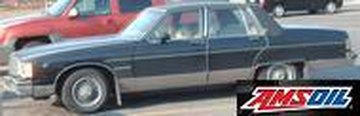
Maintaining Lubrication Standards for the 1981 Pontiac PARISIENNE 5.0L
Proper engine maintenance is a cornerstone of long-term vehicle health, particularly when managing an engine from the early 1980s. For the 1981 Pontiac PARISIENNE equipped with a 5.0L engine, consistent attention to lubrication and fluid integrity ensures that mechanical components continue to operate as intended. While modern vehicles often feature automated monitoring systems, older engines require more proactive, manual oversight from the owner to identify potential issues before they escalate into significant repairs.Monitoring Fluid Integrity and Potential Leaks
One of the most effective ways to monitor the health of a 5.0L engine is through regular visual inspections of the engine bay and the ground beneath the vehicle. Over time, various seals and gaskets may undergo changes in their ability to contain fluids. It is useful to look for signs of seepage or active dripping around the engine block and connection points. When performing these checks, observe the color and consistency of any fluid found. While engine oil is typically amber or dark brown, other fluids have distinct characteristics. If you notice oily residue accumulating on various surfaces, it may indicate that a seal is beginning to lose its effectiveness. Furthermore, checking for evidence of previous maintenance neglect can be helpful; for example, an accumulation of heavy grime and old oil can sometimes mask newer leaks. If you observe any unusual fluid loss or notice changes in the level of your lubricants, these symptoms warrant further investigation. It is important to remember that a single symptom, such as a small puddle, can be associated with several different components, so a thorough inspection is necessary to determine the exact source.Observing Changes in Engine Performance and Indicators
Beyond visible leaks, an owner should remain attentive to how the vehicle behaves during operation. Changes in the way the engine sounds or runs can sometimes be linked to lubrication status. For instance, unusual mechanical noises that occur specifically during startup or while the engine is idling may indicate a need for closer inspection of the lubrication system. If your vehicle is equipped with an oil pressure indicator or warning light, pay close attention to its behavior. Any unexpected activation of such indicators requires immediate investigation. Similarly, changes in exhaust characteristics—such as unusual smoke—can sometimes be associated with how the engine is managing its internal fluids. However, because these symptoms can have multiple underlying causes ranging from sensor issues to mechanical wear, they should be treated as signals for professional diagnostic evaluation rather than definitive proof of a specific part failure.Prioritizing Maintenance Based on Current Condition
As vehicles age, the most effective approach to maintenance is to prioritize tasks based on the actual, current condition of the machine rather than relying solely on chronological age. For a 1981 Pontiac PARISIENNE, this means establishing a baseline of what is currently functioning correctly and what shows signs of wear. If you do not have access to a complete service history for the vehicle, your first priority should be to establish a maintenance baseline. This involves performing a comprehensive inspection of all fluids, belts (if equipped), and hoses (if present) to document their current state. Once this baseline is set, you can move from reactive repairs to proactive monitoring. When deciding where to focus your efforts, address any active leaks or observed warning signs first. Distinguishing between necessary preventive maintenance—such as replacing a worn belt that shows signs of cracking or glazing—and unnecessary parts replacement is key to efficient ownership. By focusing on the actual condition of components like electrical connections and various hoses, you can make informed decisions about what requires immediate attention and what can be monitored over time.The Role of High-Mileage Formulations
For engines that have accumulated significant distance, certain lubricant technologies may be worth considering. Some high-mileage oil formulations contain additives intended for use in aging engines. These specialized products often include seal-conditioning additives designed to help maintain the integrity of various gaskets and seals that may have become brittle over decades of heat cycles. While these formulations can be a helpful tool in a maintenance strategy, they are not a substitute for addressing significant mechanical leaks. They are best used as part of a broader preventive approach to manage the natural aging process of engine components.Effective Record Keeping for Long-Term Ownership
Maintaining a detailed log of all service performed on the 1981 Pontiac PARISIENNE is one of the most valuable habits an owner can develop. A consistent record of oil changes, filter replacements, and any repairs made provides a clear picture of the vehicle's history. Detailed records allow you to:- Identify patterns in fluid consumption or leakage.
- Track the age and condition of various components like belts or hoses.
- Verify that maintenance has been performed according to a consistent schedule.
- Provide evidence of care when it comes time to pass the vehicle on to a new owner.